Woodshedding
A week at a writing retreat I didn't know was coming.

“You’re going tomorrow.”
I’d just got home from a long weekend away. An indulgence, the gift of time spent with a friend, in the countryside. Walks, films, fire, honesty.
All the good things. Comforting, important things.
Now I was being told I would be leaving again, in less than 12 hours. Another gift, this one even more generous and thoughtful than the one I’d given myself.
I had to take it in. I had to pack.
What do you take to a writing retreat? I felt like I’d arrived with an overlong draft, no time to think what could be reduced or pared back. I had too many clothes, too many books (for reference and inspiration, and the novel I’m reading), too many pens, too much paper, too many old notebooks.
Too much, all in case I needed it.
Then, on settling in, another writing metaphor writ large: four days and nights, stretching out like a huge blank page. I had no idea if this would prove too much or not enough, either. It was all daunting possibility. Freedom and doubt.
I got here Monday, and am writing this Friday morning. It’s the first bit of prose I’ve written. My days have been made of research - reading, note-taking, dot-joining. Making sense of the people I want to write about, finding out what sits underneath their stories. Immersive sprints into whole lives, worlds. Patterns, meaning. The basis of an idea.
Was it there? I think I know now what these supposed recluses have in common, what their retreats - or escapes, or pursuits - might represent.
I think I know, too, what fulfilment looks like, what theirs might mean for us.
I have a notion that the ruptures they created and their rejections of expectation might be useful, perhaps even about how to live. This, I think, is what I am to write about. I know that now. I have accepted it.
I might not have known what to take to a writing retreat, but I know what I found. Acceptance, for one. I am tired, but happy, excited. Scared in the right way for once.
There was no teaching. Only the loosest structure. Our patterns were ours to find, based around meals that were provided like clockwork and without the need to choose. We could write and talk and think and walk as we saw fit. The grounds were beautiful. Woods and fields and farmland.
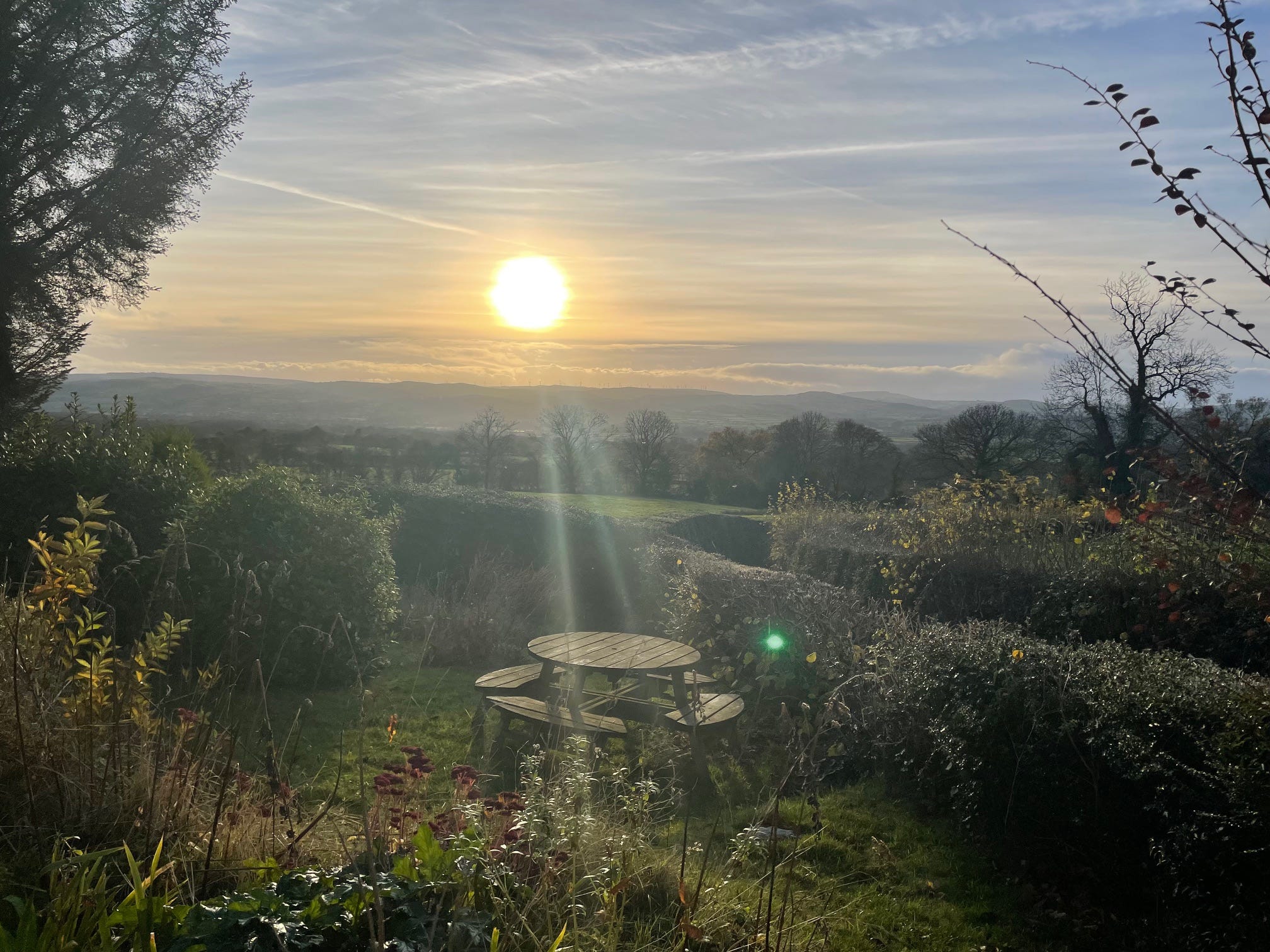
One morning, mist hung over the valley, suspended and vast like the life waiting for me on my return. One day the sunshine was brilliant and the brightest blue lit the greenest fields you’ve ever seen. The next was grey haze.
Each day began later than seemed possible - morning pages before dawn and it wasn’t an effort. Each day was swallowed quickly by the darkest night.
Nothing about the place was manicured. Endless herbal teas and nurturing food and a fellow resident saying “cor, you’re well up magic mountain, aren’t you?” as I spoke about my morning. The Soil Association were there, workshopping, they said, the inevitable rise of the far-right, and how to mitigate what they called the Clarksonification of discourse around farming. The air was full of earthy epiphanies, the hard slog of describing the world.
Another resident said she saw me - figuratively, that is - as wearing a Victorian explorer’s helmet and a shoulder bag strapped across my chest. I was a collector, is what she meant. What she said was more right than she knew. Mine were exploitative raids, made in quick succession, reconnaissance efforts to map multiple territories for my own ends.
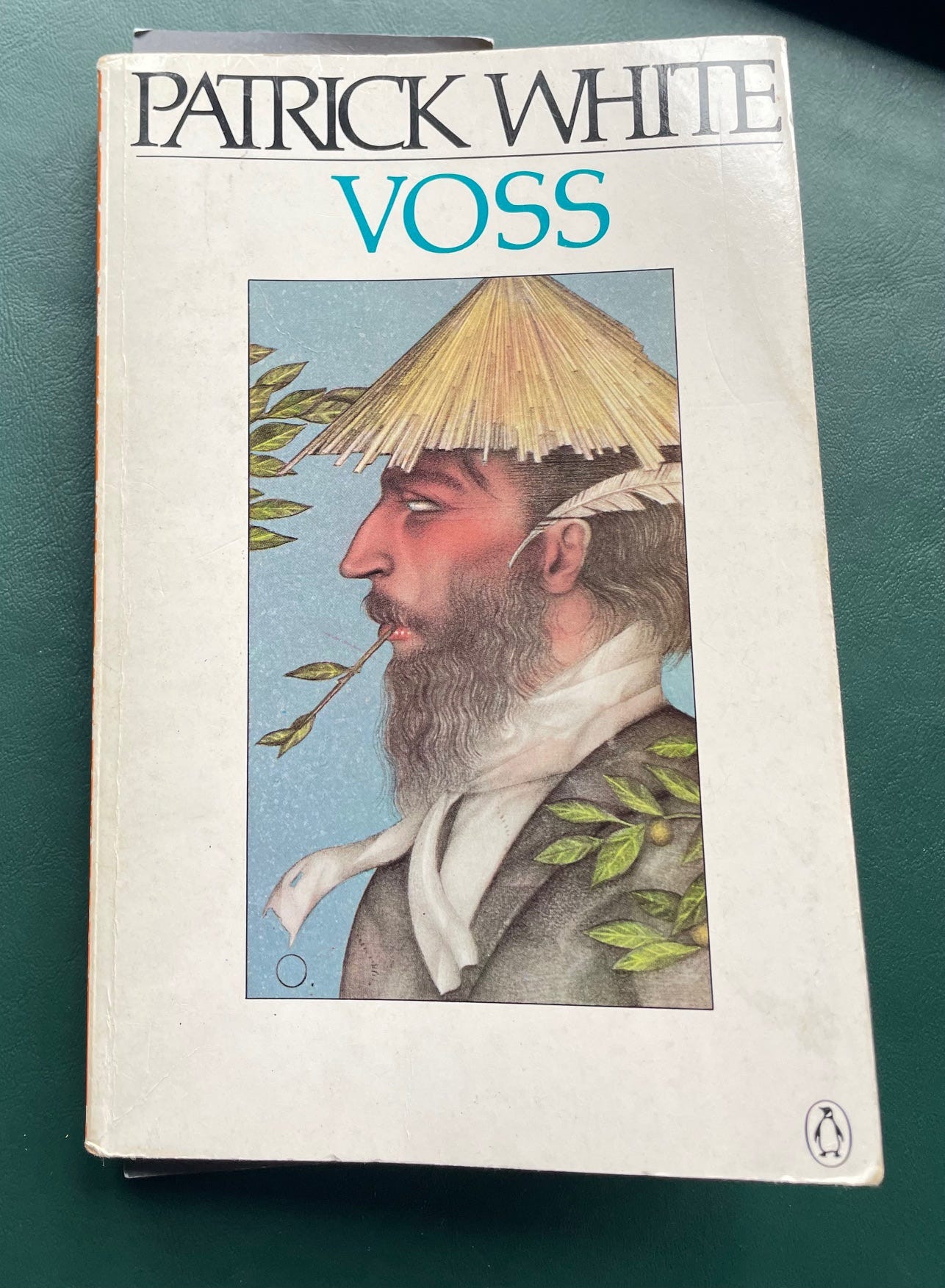
She didn’t know - until I told her - of the novel I am reading. I’d forgotten how much I love Patrick White’s sentences, the visceral power of them. Biblical and humanist at the same time, myth and poetry combined. Voss is about an uptight outsider - a foreign body twice over, a German transplanted into Victorian-era English society in Australia - setting out to explore and commandeer the outback, a journey into the dark interior, towards uncharted chaos, in the face of the repressed emotions and sublimated urges of his time, his age, society.
Synchronicity was everywhere.
Control and autonomy. Expectations and transgression. Synchronicity and shadows. Yes, I have been reading about Jung. Another thing I have discovered this week is that I cannot write the thing I want to write without writing about him.
Before, my question was how much of me would need to be in this book. The better question, I realise now, is how much will this book get into me. How much will an immersion in the world of artists who battled doubt and anxiety and desire and the expectations of others help me do the same. How much are we all connected by these feelings.
In today’s times, we need our myths. Maybe I can write one.
I read and thought about the unconscious, of course. And dwelt there a little.
I realised the stuff we send down there, knowingly or otherwise, our own uncharted chaos, is the stuff that gets in the way of living, of being who we are, of connecting with others.
I realised walking, reading, sleeping, meditating, eating and listening are all forms of writing when writing is all you’re doing.
I realised that unless it’s written towards or from the unconscious one’s writing probably isn’t free enough to say what you worry it will reveal.
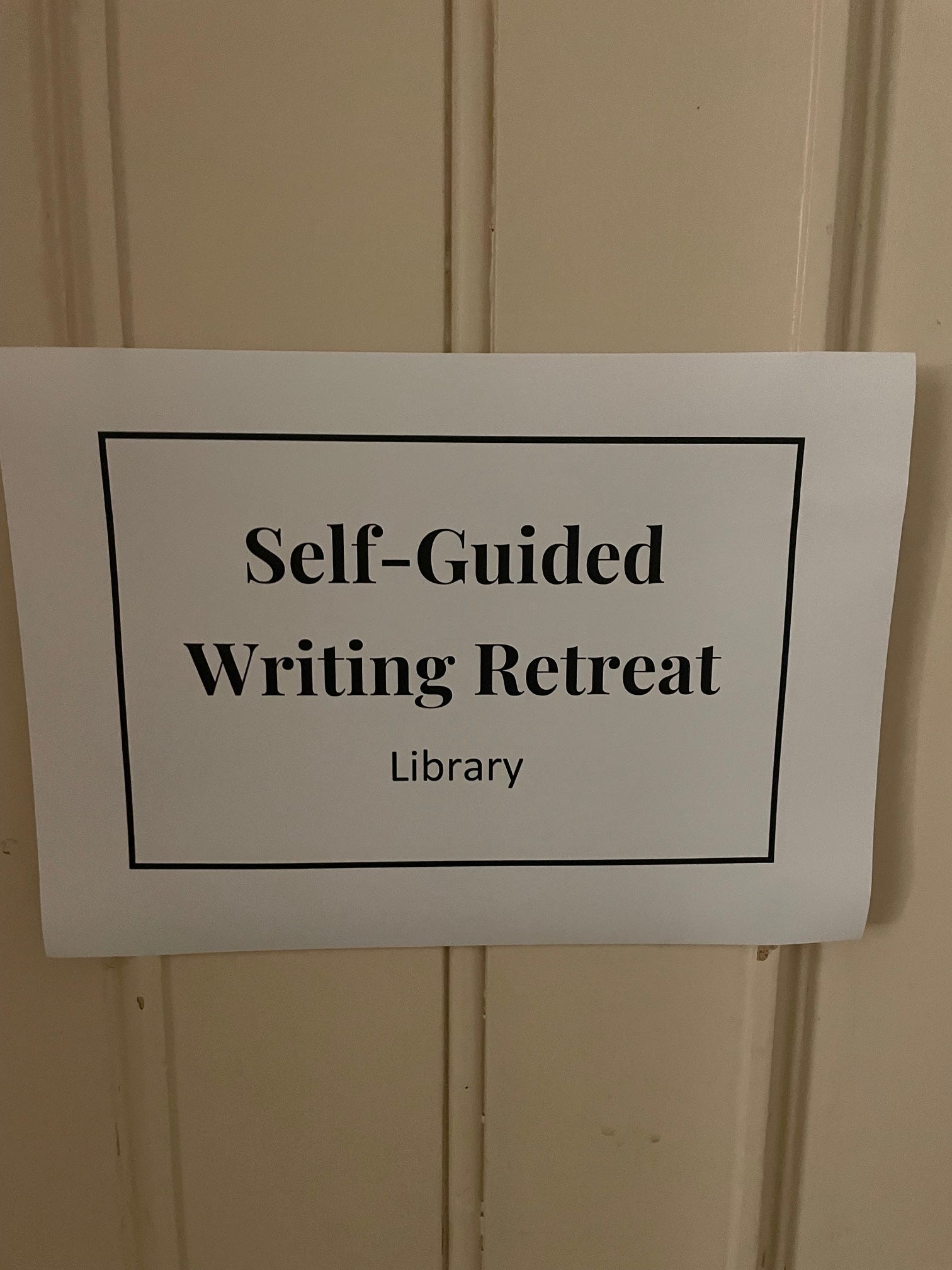
After a particularly acute day of this, I went to the library, where we congregated of an evening. On this occasion, the printed sign I’d walked past countless times read differently. Self-guided writing, it said. As if I could write in any other direction.
It’s been a week of assimilating the very stuff I want to write about. Researching a jazz musician, I came across the term ‘woodshedding’. It means to sequester oneself away in order to practice, to perfect. A way to focus on tackling a tough solo, mastering a complex rhythmic pattern or some intricate melody.
I found a quote from Paul Klemperer, a Texas-based saxophone player and teacher, who describes the figurative woodshed as “the place where you work out the techniques that form the foundation of your improvisational ability.”
Woodshedding is about the hard work you do away from a watching audience. It’s a recognition of what you feel you owe the group you play with, or the audience, or, in the case of the person I want to write about, and me, yourself.
Klemperer again: “there’s something philosophical, almost religious, about the term. The musical treasures of jazz are not easily accessed. Woodshedding is a humbling but necessary chore, like chopping wood before you can start the fire.”
Woodshedding is discipline, exploration, commitment, honesty, the work towards some unknown epiphany.
All the good things.
Uncomfortable, important things.
The wood is chopped.
"I realised that unless it’s written towards or from the unconscious one’s writing probably isn’t free enough to say what you worry it will reveal." Right on the money!
Glad you had a good week Jim!